
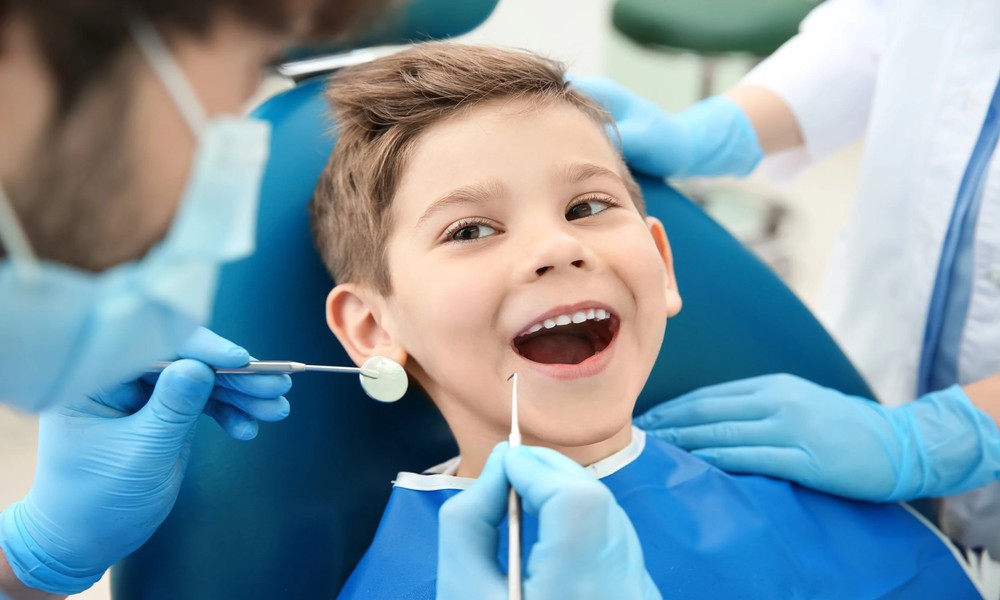
Dental visits can stir up fear in any child. The bright light. The strange tools. The unfamiliar sounds. You may worry about tears, refusal, or a meltdown in the waiting room. That worry makes sense. You want your child to feel safe and heard. You also know that strong teeth protect your child’s health, speech, and confidence. This blog shares 4 clear steps you can use before, during, and after each visit. You will learn how to talk about the appointment, what to bring, and how to respond if your child panics. You will also see how to work with your dentist in Cherry Hill, VA so your child feels in control, not trapped. With simple planning, you can trade fear for trust. You can help your child walk into the office with steady breathing and walk out proud.
Tip 1: Talk early, keep it simple, and stay honest
Children sense stress. If you feel tense, your child will feel it too. Clear and calm words help both of you.
Use short, honest sentences. For example
- “The dentist counts your teeth.”
- “You sit in a special chair that moves up and down.”
- “The helper cleans your teeth with a little brush and water.”
Avoid scary words. Skip “hurt” or “shot.” Say “the dentist will put your tooth to sleep” if a numbing medicine is needed. If your child asks a hard question, answer in three parts.
- Say what will happen.
- Say how long it will last.
- Say what support you will give.
For example. “The dentist will look in your mouth for a few minutes. I will stay next to you. We will hold hands if you want.”
You can also read simple picture books about dental visits or watch short videos from trusted sources. The American Dental Association MouthHealthy site shares clear tips for parents and kids.
Tip 2: Practice at home so the clinic feels familiar
Practice turns strange things into known things. A short “pretend visit” at home can remove shock and help your child feel some control.
Try this three-step routine.
- First, play “dentist” with stuffed animals. Let your child be the dentist. Use a flashlight and a soft toothbrush.
- Next, switch roles. Ask your child if you can “count” their teeth. Gently touch each tooth with a clean cotton swab.
- Then, practice opening wide. Use a timer for 5 to 10 seconds. Praise effort, not perfection.
You can add simple cues that your child will hear in the office. For example.
- “Open big like a lion.”
- “Close and rest.”
- “Turn your head to the side.”
Repeat this game a few times in the week before the visit. Keep each session short. End on a calm note. You can link dental care with daily routines. For example, brush, read a short story about teeth, then practice “open, close, rest.”
Tip 3: Use comfort tools during the visit
The office can overload your child’s senses. Strong lights. New smells. Buzzing sounds. Plan three comfort tools to bring or request.
- Comfort item. A small toy, blanket, or photo can give fast relief.
- Sound support. Ask if your child can wear headphones with soft music.
- Body support. A gentle hand on the shoulder or holding a hand can steady breathing.
Before the appointment, call the office. Ask about options such as
- Waiting in a quiet corner.
- Meeting the staff and sitting in the chair before work starts.
- Short “get to know you” visits for very anxious children.
The dentist can also use “tell, show, do.” First, the staff explains each step. Then they show the tool. Then they do the step. You can ask for this method. Many offices use it with young patients.
For children with sensory needs or autism, small changes can matter. The CDC children’s oral health page explains why early dental care protects long-term health and supports learning. You can share any special needs with the office so staff can adjust light, sound, or pace.
Tip 4: Plan rewards and follow up after each visit
What happens after the visit shapes the next one. Your response teaches your child what to expect.
Use three steps.
- Notice effort. Say what your child did well. For example. “You sat in the chair.” “You opened your mouth when the dentist asked.”
- Offer a simple reward. Choose time with you, not candy. A trip to the park. A favorite story. Extra play time.
- Review the visit. Later that day, ask, “What felt hard?” “What helped?” “What should we do differently next time?”
Write down what works. Share it with your dentist in Cherry Hill, VA, at the next visit. A short note can remind staff about your child’s fears, favorite words, and best rewards. Over time, the office will feel like a known place, not a threat.
Helping your child build lifelong dental habits
Regular care at home makes office visits shorter and easier. Brush your child’s teeth twice a day with fluoride toothpaste. Limit sugary drinks. Offer water between meals. The ADA and CDC both stress that strong baby teeth protect chewing, speech, and facial growth.
Here is a simple comparison.
|
Habit |
What you do |
How it helps your child at the dentist |
|---|---|---|
|
Daily brushing |
Brush morning and night with a pea-sized amount of fluoride toothpaste. |
Reduces plaque. Shorter cleanings. Less scraping. |
|
Healthy snacks |
Choose fruits, cheese, and nuts. Limit candy and sweet drinks. |
Lowers cavity risk. Fewer shots and fillings. |
|
Regular dental checkups |
Schedule visits every 6 months or as advised. |
Finds small problems early. Less painful work. |
|
Calm talk about teeth |
Use simple, neutral words about dental care. |
Cuts fear. Builds trust with the dental team. |
You do not need perfection. You need steady, small steps. Honest talk. Simple practice. Comfort tools. Clear rewards. With these four tips, you can guide your child from fear to courage and build strong habits that protect health for years to come.
