
Dental implants can feel scary. You want strong results, less pain, and a fast return to your normal life. Guided implant surgery gives you that control. This method uses a digital plan to place each implant in a precise spot. The result is fewer surprises during surgery and a smoother recovery after. You spend less time in the chair. You face less swelling and less soreness. You also protect nearby teeth, nerves, and bone. For many patients, guided surgery turns a fearful step into a clear choice. It helps your provider match the plan to your mouth, not the other way around. If you are thinking about Fresno implant surgery, you deserve to know how this approach works for you. The next sections explain three clear advantages that can shape your decision and protect your long term oral health.
1. Greater accuracy and safety
Guided implant surgery starts with detailed images of your mouth. Your provider uses a cone beam CT scan and digital impressions to build a 3D model. This shows bone, nerves, sinuses, and tooth roots. It also shows any weak spots or hidden risk.
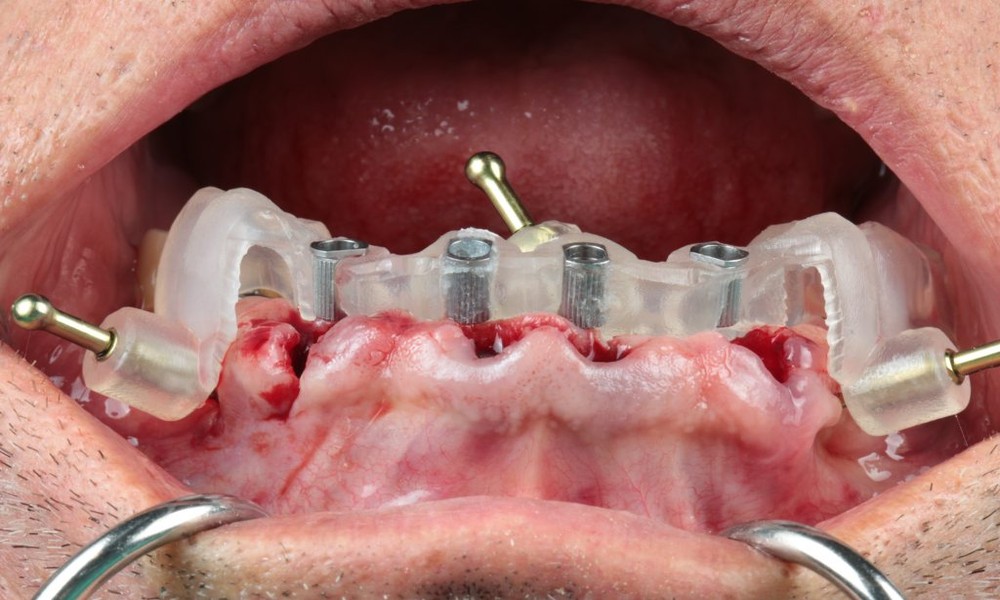
From there, your provider plans the exact position, depth, and angle for each implant. A custom guide then fits over your teeth or gums during surgery. That guide controls the drill path. You get less guesswork and more certainty.
This accuracy can help you in three main ways.
- You lower the risk of nerve injury.
- You protect the sinus and jaw joint.
- You use the strongest bone for each implant.
The National Institute of Dental and Craniofacial Research explains that implant success depends on healthy bone and careful planning. Guided surgery supports both. It lets your provider see trouble early and adjust the plan before any cut.
2. Shorter surgery and smoother recovery
Guided implant surgery often means a shorter visit and a calmer recovery. The detailed plan is ready before you sit in the chair. Your provider already knows where to start and where to stop. That planning can cut down treatment time and tissue trauma.
With many guided cases, your provider can use smaller incisions. Sometimes they can place implants through the gum without a full flap. Less cutting usually leads to less bleeding and swelling. It can also mean fewer stitches.
You may notice:
- Less time under local anesthesia.
- Less soreness in the days after surgery.
- Faster return to normal eating, speaking, and work.
The American Dental Association’s MouthHealthy pages note that many people go back to daily tasks within a day or two after implant placement. Guided surgery can support that pace. It reduces surprises during the procedure, which often reduces stress for you and your family.
3. More predictable results for your smile and bite
Implants do more than fill spaces. They support your bite, speech, and face shape. Guided surgery helps your provider place each implant in the best spot for the final tooth or bridge. You do not just get a screw in bone. You get a base for a stable, natural-looking tooth.
During planning, your team can “test” the position on screen. They can check how crowns will touch, how you will chew, and how your lips will sit. They can also plan around existing teeth and future work. This leads to:
- Better tooth alignment.
- Less risk of extra wear on other teeth.
- Stronger support for dentures or bridges.
For families, this predictability matters. You can plan time off work and school with more certainty. You can also feel more at ease about the long-term look and function of the implants.
Guided vs traditional implant surgery
Every mouth is unique. Still, it helps to see how guided implant surgery compares with traditional freehand methods in common outcomes.
|
Factor |
Guided implant surgery |
Traditional freehand surgery |
|---|---|---|
|
Planning process |
3D imaging with a printed guide |
2D imaging with visual judgement |
|
Placement accuracy |
High accuracy with controlled angles |
Good accuracy that depends on technique |
|
Surgery time |
Often shorter due to preplanning |
Can be longer during complex cases |
|
Incision size |
Often small with limited tissue lifting |
Often larger with more tissue exposure |
|
Recovery experience |
Often less swelling and soreness |
Can involve more swelling and soreness |
|
Use in complex jaws |
Helpful when the bone is thin or near nerves |
More challenging when the bone is thin or uneven |
This table is a guide. Some people still do well with freehand surgery. The choice depends on your health, bone, and goals. A skilled provider can explain why guided steps may or may not fit your case.
How to talk with your provider
You play a key role in your care. Before you agree to any implant surgery, ask clear questions. You deserve straight answers. You can start with three simple points.
- Planning. Ask what scans and digital tools they use and how they build the guide.
- Experience. Ask how often they perform guided implant surgery and in what types of cases.
- Recovery. Ask what to expect during the first week and how to reach help at night or on weekends.
Bring a list of your medicines and health history. Share any bleeding problems, bone loss, or past radiation to the head or neck. This helps your provider judge if implants are safe for you and which method fits best.
Taking the next step
Guided implant surgery offers three powerful advantages. You gain a safer and more accurate placement. You often get shorter surgery and a calmer recovery. You also receive more predictable results for your smile and bite.
If you feel nervous, you are not alone. Many people carry fear from past dental visits or long-term tooth loss. Guided methods give you and your provider a clear plan. That plan can ease fear and protect your health.
Use this knowledge to ask hard questions and to demand careful planning. Your mouth affects how you eat, speak, and connect with others. You deserve implant care that treats it with respect and precision.
