
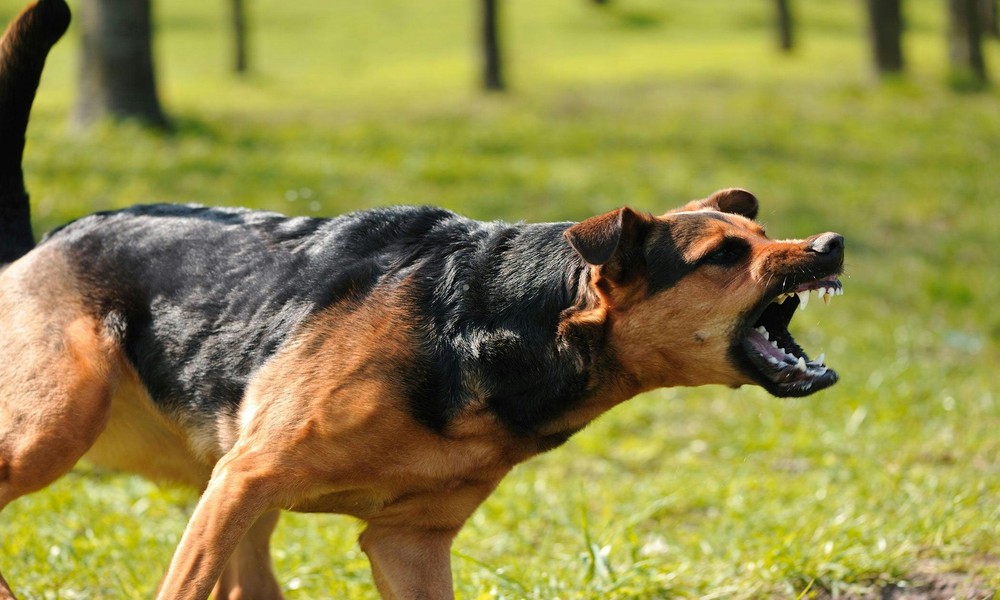
Your dog growls at some people but not others. You notice it in the hallway, at the door, or on a walk. The sound can feel sharp. It can also feel confusing. You might worry you did something wrong. You might fear what could happen next. Growling is not “bad.” It is clear communication. Your dog is telling you something about fear, past trauma, or pain. Sometimes it points to a memory of rough hands. Sometimes it points to aching joints or a sore mouth. Other times it shows your dog feels trapped. You do not need to guess alone. A behavior consult and a visit with a veterinarian in Chicago Heights, IL can help you see the full picture. This blog will help you read the warnings, lower the risk of a bite, and protect the bond you share with your dog.
What Growling Really Means
Growling is a warning. Your dog is saying “I need space” or “I feel unsafe.” You might feel scared or embarrassed when it happens. You might want to punish the growl. That urge is common. It is also risky.
When you stop the growl without fixing the cause, your dog may skip the warning next time. Then your first sign could be a bite. Growling keeps people safe. It also helps your dog cope with stress.
Think of growling as a smoke alarm. You do not smash the alarm. You look for the fire. You do the same with your dog. You look for the trigger and the feeling under the sound.
Why Your Dog Growls At Some People And Not Others
Patterns matter. Pay close attention to what the “certain people” have in common. You might notice:
- Body size or shape such as tall people or people with hats
- Movement such as fast walkers, runners, or people who lean over your dog
- Voices such as loud talkers or deep voices
- Smells such as smoke, perfume, or other animal scents
- Groups such as children, men, or people carrying bags
Your dog links these cues to fear, pain, or old memories. Even if nothing bad happens in the moment, the sight or sound alone can set off the warning.
Fear, Trauma, Or Pain
Growling often comes from one of three roots. Many dogs show more than one.
|
Root cause |
Common triggers |
Other signs you may see |
|---|---|---|
|
Fear |
Strangers, fast hands, direct staring, crowded rooms |
Tucked tail, lip licking, yawning, trying to hide or move away |
|
Past trauma |
People who look or move like someone who hurt the dog before |
Freeze when touched, sudden flinch, startle at small sounds |
|
Pain |
Touch near joints, back, ears, belly, or mouth |
Limping, slow to stand, less play, change in eating or grooming |
You cannot see inside your dog’s mind. You can still watch the body and the timing. You then share those patterns with a veterinarian and a trainer who uses kind methods.
Body Language To Watch Before The Growl
Growling rarely comes out of nowhere. Your dog often “whispers” first. Learn to spot these early signs.
- Stiff body or frozen posture
- Whale eye where you see the white of the eye
- Ears pinned back or held very high and tight
- Closed mouth that stays tight
- Slow tail wag that looks stiff instead of loose
- Lip licking, yawning, or sudden scratching with no clear reason
When you see these signs, you step in early. You move your dog away from the person. You give more space. You do not wait for the growl.
Could It Be A Medical Problem
Pain can turn even a gentle dog into a growling dog. Sudden growling in an older dog or a dog who never growled before often points to a medical issue. Common sources include:
- Arthritis or joint pain
- Dental disease or broken teeth
- Ear infections
- Skin infections or hot spots
- Stomach upset
The American Veterinary Medical Association reminds owners that pain can lead to bites. You reduce that risk when you treat hidden health problems early.
When To Seek Help Right Away
Do not wait and hope it passes. You contact a professional soon if:
- The growling is new or gets worse
- Your dog snaps or bites
- Your dog guards food, toys, or resting spots from people
- Children are in the home or visit often
- You feel nervous around your own dog
You start with your veterinarian. A full exam checks for pain and illness. You then ask about a referral to a behavior professional who uses reward based methods.
You can look for certified experts through universities and veterinary groups. The ASPCA offers helpful guides on aggression and fear as well. These tools give you a safer plan.
How To Respond In The Moment
When your dog growls at someone, you focus on safety and calm. You can:
- Increase distance. You move your dog away from the person.
- Block the view. You step between, close a door, or use a baby gate.
- Stay quiet. You avoid yelling, yanking the leash, or scolding.
- Offer an exit. You invite your dog to go to a known safe spot.
You do not force your dog to “face the fear.” You do not let people reach in to “win him over.” Pressure often makes fear and pain worse.
Building Trust Again
Once a health check is complete, you work on careful training. A kind trainer or veterinary behaviorist may guide you through:
- Creating safe zones such as crates or rooms where no one bothers your dog
- Using leashes, gates, and doors to control greetings
- Pairing the sight of people with treats, at a distance where your dog stays relaxed
- Teaching a simple cue like “go to bed” that leads your dog to a mat or bed away from guests
Progress may feel slow. Each calm visit and each quiet walk builds new memories in your dog’s mind. Fear gives way to trust one small step at a time.
Protecting Your Dog And The People You Love
Your dog’s growl is not a personal attack. It is a hard truth spoken out loud. Something hurts or scares your dog. You listen. You act. You bring in skilled help.
When you respect the growl, you protect your dog from more fear. You also protect children, guests, and yourself from bites. You replace shame with clear action. You replace blame with care.
Your dog depends on you to notice the pattern, seek answers, and stand guard. You can do that. You start by hearing the growl as a message, not a crime. Then you answer that message with safety, treatment, and patient training.
