
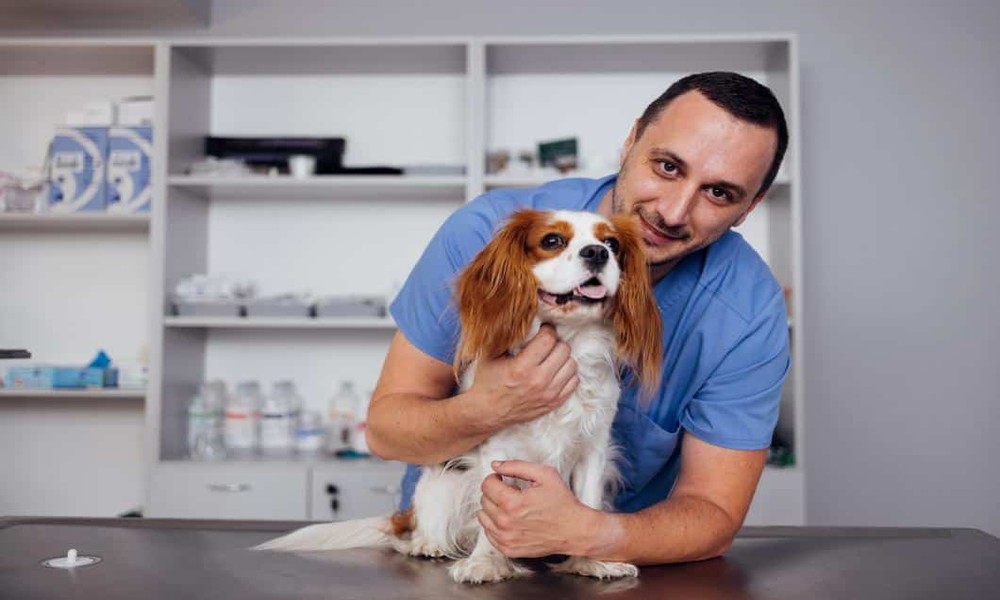
Your senior pet depends on you. Age changes the body. You may see it in slow walks, cloudy eyes, or new moods. A general vet looks for quiet warning signs long before a crisis. Routine visits become checks for pain, organ strain, memory loss, and cancer. Each exam focuses on three main questions. Is your pet hurting. Is your pet eating and drinking in a steady way. Is your pet moving, thinking, and resting in a normal pattern. At an animal hospital in Roanoke, VA, the team tracks these changes with simple tools like weight checks, blood tests, and joint exams. They match what they see with what you report at home. Together you build a clear picture of your pet’s aging body. Care then shifts from quick fixes to steady support. This close watch gives your pet more comfort and more calm days with you.
When Your Pet Becomes “Senior”
Pets age at different speeds. Size, breed, and health shape the clock. Many dogs and cats enter the senior stage around these ages.
|
Pet Type |
Size or Type |
Typical Senior Age (years) |
|---|---|---|
|
Dog |
Small (under 20 lb) |
10 to 12 |
|
Dog |
Medium (20 to 50 lb) |
8 to 10 |
|
Dog |
Large (over 50 lb) |
7 to 8 |
|
Cat |
Indoor |
10 to 12 |
|
Cat |
Outdoor or mixed |
8 to 10 |
Vets often suggest wellness visits every six months for seniors. Time moves faster for pets. A year for you can feel like several years for them. Regular checks help find small changes early.
What Happens During A Senior Wellness Exam
Your vet starts with a full history. You share what you see at home. You might talk about these changes.
- Less play or shorter walks
- New thirst or hunger
- Accidents in the house or litter box
- Confusion, barking at night, or staring
- Stiff steps or trouble jumping
Next comes a head to tail exam. The vet checks three core parts of health.
- Body comfort and movement
- Heart, lungs, and organs
- Mind, senses, and mood
The vet listens to the heart. The vet feels the belly. The vet checks eyes, ears, teeth, skin, and joints. Each touch looks for pain, lumps, or swelling. Quiet details such as a new heart sound or weight loss guide the next tests.
Key Tests General Vets Use For Senior Pets
Simple lab tests and scans can reveal disease long before clear signs. Many clinics use a standard senior panel. It often includes these parts.
- Blood count. Checks red cells, white cells, and platelets.
- Chemistry panel. Looks at the kidneys, liver, sugar, and minerals.
- Urine test. Finds kidney stress, infection, or sugar loss.
- Thyroid test. Screens for high or low thyroid in cats and dogs.
- Blood pressure check. Detects silent heart and kidney strain.
- X rays. Show arthritis, lung change, or hidden masses.
The American Veterinary Medical Association notes that aging pets often hide illness. Lab results can uncover kidney disease, diabetes, and anemia before your pet acts sick. Early care often means fewer emergencies and more steady days at home.
Conditions Vets Watch For In Senior Pets
Age related disease often falls into three groups.
- Joint and movement problems
- Organ and hormone disease
- Brain and behavior change
Joint problems include arthritis and spinal pain. You may see slow rising, stiff steps, or less jumping. The vet checks the range of motion. The vet presses along the spine and limbs. X-rays can show bone spurs and joint space loss.
Organ and hormone disease includes kidney disease, liver disease, heart disease, diabetes, and thyroid disease. Many pets still eat well in the early stages. Blood and urine tests show trouble before weight loss and vomiting begin. The National Institutes of Health notes that many conditions in pets mirror human disease. That means steady lab checks can guide treatment in a clear way.
Brain and behavior change includes cognitive decline, anxiety, and sleep change. You may see pacing, staring, or new fear. The vet rules out pain and organ disease first. Then the vet may use simple question lists to rate memory and sleep changes over time.
Your Role At Home Between Vet Visits
General vets rely on what you see at home. You are the daily witness. You can track three simple things.
- Food and water. Note sudden changes or slow trends.
- Bathroom habits. Watch for strain, accidents, or more trips.
- Movement and mood. Look for new fear, clinginess, or withdrawal.
Keep notes in a small notebook or on your phone. Bring this record to each visit. Simple facts such as “drinks twice as much water” or “no longer climbs stairs” give the vet clear clues. Photos and short videos of limping or confusion also help.
How Vets Build A Long Term Care Plan
After exams and tests, the vet builds a plan that fits your pet and your home. The plan often includes three parts.
- Medical treatment such as drugs or special diets
- Home changes such as ramps, rugs, or litter box moves
- Routine checks to measure progress
Pain control for arthritis might start with weight control and gentle joint drugs. Kidney disease care might include a kidney diet and more water. Cognitive change might call for set routines and simple brain games. Your vet explains what is realistic. Your job is to watch, give meds as directed, and speak up if you see side effects.
When To Call The Vet Right Away
Some changes in a senior pet need fast care. Call your vet at once if you see any of these signs.
- Sudden collapse or trouble standing
- Hard breathing or fast open mouth breathing at rest
- Seizures or sudden confusion
- Refusal to eat or drink for a full day
- Repeated vomiting or bloody stool
- Extreme pain such as crying when touched
Quick action can shorten suffering. It can also protect the bond you share.
Staying Present For Your Aging Pet
Watching a pet age can hurt. You may feel fear, guilt, or grief before loss comes. These feelings are common. Honest talks with your vet can guide hard choices. The goal is steady comfort. The goal is a sense of safety for your pet and for you.
By staying alert to small changes and keeping regular visits, you give your senior pet the gift of time. Not more days at any cost. Instead, more good days with less fear and less pain. That is the heart of senior pet care.
