
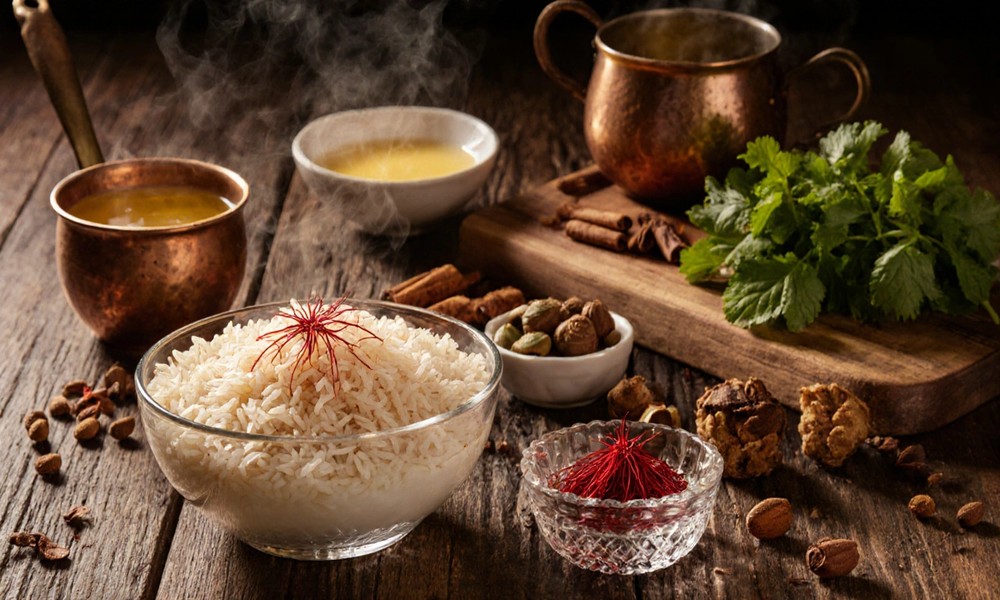
Biryani is more than just a rice dish; it is an experience built on layers of flavour and aroma. At the heart of it all lies the spice blend, which plays a key role in defining how the dish smells and tastes. From the slow release of whole spices like cardamom, cloves, and cinnamon to the richness added by ground spices, every element works together to create that signature depth. When these flavours come together in the right balance, you can truly taste the difference in a well-made biryani masala.
The Role of Whole vs Ground Spices
Whole and ground spices play distinct yet complementary roles in biryani. Whole spices are usually added at the beginning, either in hot oil or ghee, to release their aroma and build the foundation of the dish. This step is essential for creating the initial flavour profile. Ground spices such as turmeric, red chilli powder, and coriander powder are introduced later during the cooking process. These spices enhance the depth of flavour, add rich colour, and ensure a balanced taste throughout the dish. Together, the combination of whole and ground spices allows biryani to deliver both aroma and flavour in every bite.
Regional Variations in Spice Blends
India’s diverse culinary landscape is reflected in the many styles of biryani, each defined by its unique spice blend:
- Hyderabadi Biryani: Known for its bold and robust flavours, featuring a generous use of garam masala, saffron, and fried onions.
- Lucknowi (Awadhi) Biryani: More subtle and refined, focusing on delicate aromatics and a lighter hand with spices.
- Kolkata Biryani: Mildly spiced with a hint of sweetness, often including potatoes and fragrant whole spices.
- Malabar Biryani: Influenced by coastal ingredients, with spices like fennel and curry leaves adding freshness.
These regional differences highlight how spice blends are not just about flavour but also about tradition and local preferences.
Layering of Flavours Through Cooking Techniques
The technique of dum cooking, which involves slow cooking in a sealed pot, is central to biryani preparation. This method allows steam to circulate within the pot, helping the spices infuse deeply into the rice and meat. As a result, the flavours are evenly distributed, and the aroma is well retained.
Additional elements such as saffron soaked in milk, rose water, or kewra water are often added during the layering stage. These aromatic ingredients enhance the spice blend and give biryani its signature richness and fragrance.
Balance: The Key to Authentic Taste
An authentic biryani is defined by balance rather than overpowering spices. Strong spices like cloves and cardamom must be carefully measured, so they complement rather than dominate the dish. Milder spices such as cumin and coriander help round out the flavour profile.
Achieving this balance requires precision and experience. When done right, no single spice stands out; instead, they come together to create a harmonious and memorable taste.
Conclusion
Spice blends are the soul of biryani, transforming simple ingredients into a dish celebrated for its aroma and complexity. From the choice of spices to the technique of cooking, every step contributes to the final experience. Using good-quality blends from Sunrise Spices makes the process better, giving you consistent flavour and a rich aroma in every layer.
FAQs
1. What spices are essential for authentic biryani?
Authentic biryani typically uses a mix of whole and ground spices. Key whole spices include cardamom, cloves, cinnamon, bay leaves, and star anise, while ground spices like turmeric, red chilli powder, cumin, and coriander add depth and colour. Together, they create the signature aroma and layered flavour.
2. Can I use ready-made biryani masala instead of whole spices?
Yes, ready-made biryani masala can be used for convenience, but it may not deliver the same depth and freshness as using whole spices. Whole spices release natural oils during cooking, which enhances aroma and gives a more authentic taste.
3. How do regional spice blends affect the taste of biryani?
Different regions use distinct spice combinations. For example, Hyderabadi biryani is bold and spicy, while Lucknowi biryani is more subtle and aromatic. These variations influence not just the taste but also the overall cooking style and experience.
