
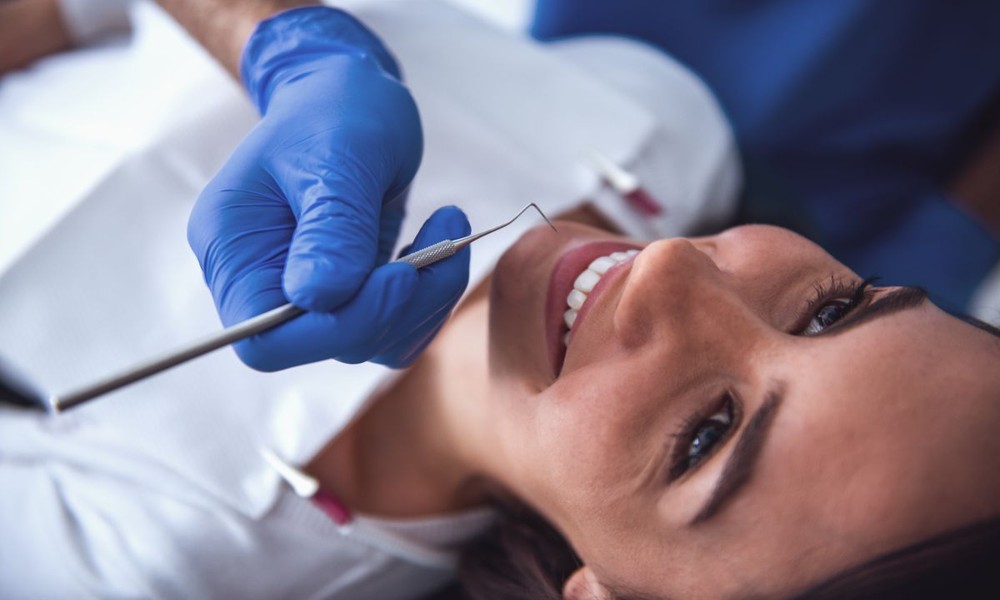
Your mouth shows the truth about your health. Small problems in your teeth and gums can grow into pain, infection, and big bills. They can also affect your heart, breathing, and blood sugar. Children miss school. Adults miss work. Stress rises at home. Preventive dentistry stops that chain. Regular cleanings, simple checks, and early treatment protect your whole family. They keep you out of emergency rooms. They keep your child from waking up at night in pain. They help you feel in control. With Moline, IL family dentistry, you can catch problems early, teach your children strong habits, and protect older adults who may struggle with brushing. You do not need perfect teeth. You need a steady plan. Preventive care gives you that plan and protects the people you love most.
How Mouth Health Connects To Whole Body Health
Gum disease and tooth decay are infections. They do not stay in your mouth. Bacteria enter your blood. Your immune system reacts. Your body stays on high alert. That strain can harm your heart and blood vessels.
The Centers for Disease Control and Prevention explains that untreated cavities are common in children and adults. The CDC notes that poor oral health links to heart disease, diabetes, and pregnancy problems.
Gum disease also makes blood sugar harder to control. That hits families who live with diabetes. It turns a small bleed when brushing into a constant threat. Cleaning and early care lowers that threat and protect daily life.
Why Prevention Works Better Than Repair
Repair treats damage after it happens. Prevention stops damage before it starts. That simple idea saves time, money, and energy. It also saves teeth.
Preventive Care Compared To Emergency Treatment
|
Type of visit |
Typical reason |
Common cost range |
Impact on family life |
|---|---|---|---|
|
Routine check and cleaning |
Check for early decay and gum issues |
Low to moderate |
Short visit. Easy to plan. Less stress. |
|
Filling for small cavity |
Tooth decay caught early |
Moderate |
One short visit. The child often returns to school. |
|
Root canal or extraction |
Deep decay or infection |
High |
More visits. Missed work and school. Ongoing pain. |
|
Emergency room visit |
Severe tooth pain or swelling |
Very high |
Night or weekend trip. High fear. Lost sleep. |
Each missed cleaning increases the chance of the last two rows. Each completed check moves your family back to the first row. That shift lowers money pressure and worry.
What Preventive Dentistry Includes
Preventive dentistry is simple. It focuses on three steps.
- Home care
- Regular office visits
- Early treatment
At home, you brush twice each day with fluoride toothpaste. You clean between your teeth once each day. You limit drinks and snacks that coat teeth with sugar. You help children and older adults who cannot clean well on their own.
At the office, the team removes hardened plaque. They check for soft spots, cracks, and gum pockets. They may use X-rays to see hidden decay. They may place sealants on the back teeth in children. They may use fluoride for stronger enamel.
Early treatment closes the loop. A small filling today stops a broken tooth next year. A simple talk about dry mouth today protects an older adult on many medicines.
Benefits For Children, Adults, And Older Adults
Every age group gains something different from preventive care. Your family needs all three covered.
- Children build strong habits and avoid early tooth loss.
- Adults keep teeth strong for work, eating, and speech.
- Older adults protect chewing, taste, and social contact.
Children who see a dentist by their first birthday and then on a steady schedule have fewer cavities and fewer missed school days. The American Academy of Pediatric Dentistry supports this early start.
Adults face stress, long days, and many snacks. That mix feeds decay and gum disease. Regular visits catch silent problems. You may feel fine while deep decay grows. Screening finds it before it erupts.
Older adults often take medicines that dry the mouth. Saliva protects teeth. When it drops, decay rises, even in people who never had many cavities before. Simple steps like fluoride, more water, and closer checks protect daily comfort.
How Often Your Family Should Go
Most people need a check and cleaning every six months. Some need visits more often. Your dentist may suggest three or four visits each year if you have gum disease, diabetes, or a history of many cavities.
The National Institute of Dental and Craniofacial Research explains that regular dental visits support early detection of problems.
A simple rule of three helps.
- Schedule the next visit before you leave the office.
- Set a reminder on your phone and calendar.
- Call right away if pain, swelling, or bleeding starts.
Building A Steady Plan For Your Family
Strong mouth health does not come from one big change. It comes from small, steady steps.
- Pick one dentist for your family, so records stay in one place.
- Use the same simple brushing steps morning and night.
- Keep a small oral care kit in your bag for busy days.
Every visit is a chance to ask direct questions. Ask what you can change at home. Ask what risks your children face. Ask how your health issues connect to your mouth. Clear answers help you protect your family with confidence.
Preventive dentistry respects your time, your money, and your energy. It cuts pain before it starts. It keeps your family at school, at work, and at the table together. That is the strength you deserve.
