
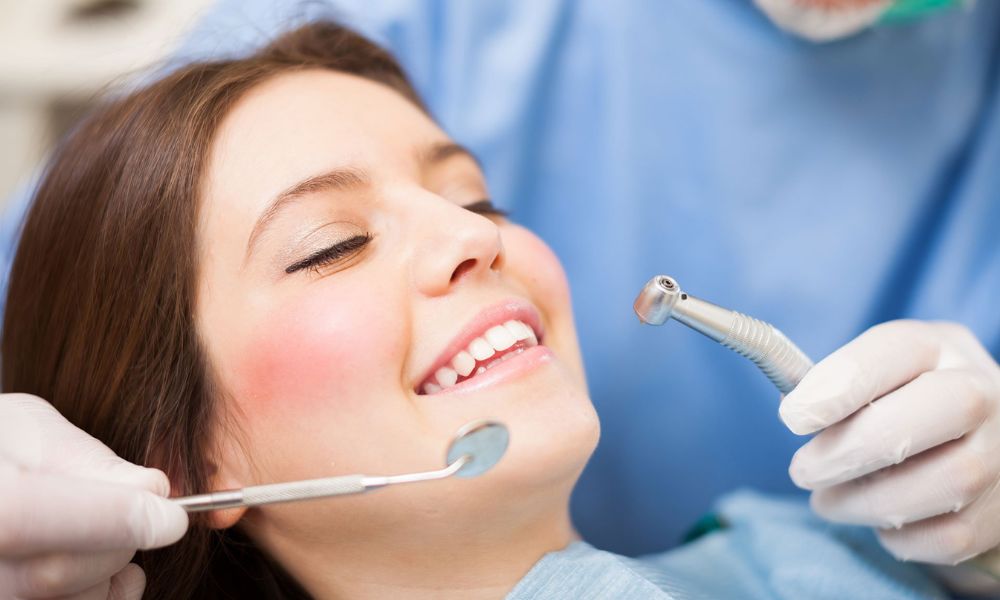
Technology is changing how you receive dental care. You now see tools that shorten visits, reduce pain, and improve results. Digital scans replace sticky molds. Clear 3D images help your dentist find small problems early. Simple software tracks your history and your goals. New materials make fillings stronger and longer-lasting. Smart cameras show you what your dentist sees, which builds trust and calm. You gain a clear picture of your mouth, not vague guesses. Today, you can choose a dentist in Brooklyn Heights who uses these tools every day. That choice affects how fast you heal. It affects how often you need treatment. It affects how safe you feel in the chair. Technology does not replace skill. It supports it. When both work together, your routine visit turns into a clear plan that protects your teeth and your confidence.
From Old Impressions To Digital Scans
For many years, dentists used trays filled with thick paste to copy your teeth. That process felt messy and caused gagging for many people. Now, many offices use digital scanners. A small wand moves across your teeth and gums. It records thousands of images in seconds. A computer then builds a 3D model of your mouth.
This change matters for three reasons. First, it raises comfort for children and adults. Second, it improves accuracy, which means crowns and aligners fit better. Third, it speeds up lab work, since your dentist can send the scan file at once.
The National Institute of Dental and Craniofacial Research shares research that supports digital methods for better planning and early problem detection.
3D X Rays And Better Treatment Planning
Traditional X-rays give flat images. They help, but they can hide small cracks, early bone loss, or hidden teeth. New cone beam 3D X-rays give a full picture of your teeth, roots, nerves, and jaw. Your dentist can rotate the image and view thin slices from many angles.
This helps with three common needs. It helps plan implants. It helps find infections that cause repeated pain. It helps spot issues in growing jaws. With this detail, your dentist can design safer care. You face fewer surprises during treatment.
Intraoral Cameras And Shared Decisions
It can feel hard to trust what you cannot see. Intraoral cameras change that. These tiny cameras fit inside your mouth and send clear pictures to a screen near the chair. You can see cracks, worn fillings, and red gums with your own eyes.
This shared view supports honest talk. You can ask clear questions. You can weigh choices such as repair or watch and wait. You can also see before and after images. That helps you judge if a change is working.
New Materials For Fillings And Crowns
Technology does not stop at cameras and scans. It also changes what goes into your mouth. Modern filling materials blend with your teeth. They also bond more firmly. Crowns and bridges now use strong ceramics that resist wear and staining.
These changes give three gains. You keep more natural teeth. You gain stronger repairs. You see a more natural look when you smile. With good care, these materials can last many years.
Chairside CAD/CAM: Same Day Crowns
In the past, a crown often took two or three visits. You needed a temporary crown and had to wait while a lab made the final one. Chairside CAD and CAM systems change this. After a digital scan, a computer designs your crown. A milling machine then shapes it from a solid block of ceramic while you wait.
Many patients go home with a final crown the same day. That means fewer injections. It means no need for a temporary crown. It also cuts the risk of decay under a loose temporary.
Traditional Crowns Compared With CAD/CAM Same Day Crowns
|
Feature |
Traditional Crown |
CAD/CAM Same Day Crown |
|---|---|---|
|
Number of visits |
Two or three |
One |
|
Type of impression |
Paste in trays |
Digital scan |
|
Temporary crown needed |
Yes |
No |
|
Time in the chair |
Shorter per visit but more visits |
Longer single visit |
|
Fit accuracy |
Good with skilled lab |
Very precise digital design |
Teledentistry And Remote Support
Some people avoid the dentist because of distance, tight schedules, or fear. Teledentistry helps remove these hurdles. You can send photos or a video of a sore spot. You can meet over secure video for a quick check. You can ask if a problem needs urgent care.
This option does not replace hands-on exams. It does help your dentist decide what you need next. It can save a late-night trip. It can also help your dentist monitor healing after a procedure.
The Centers for Disease Control and Prevention supports virtual tools as one way to expand access to oral health care and reduce missed problems.
Digital Records And Safer Care
Paper charts once filled back rooms. They were hard to read and easy to misplace. Today, electronic records hold your X-rays, notes, and medical history in one secure system. Staff can pull them up in seconds.
This change helps in three clear ways. Your dentist can track changes over time with simple chart views. Your medical and dental teams can share key details when needed. Your record is more readable, which lowers the risk of errors in treatment or medicine.
What This Means For Your Family
All these tools work toward a simple goal. They aim to protect your teeth more gently and more effectively. For children, that can mean quick visits and less fear. For adults, that can mean fewer major procedures. For older adults, that can mean better planning around other health needs.
When you choose a general dentist, you can ask three clear questions. You can ask what digital tools the office uses. You can ask how those tools change your care. You can ask how staff protect your data and your safety.
Technology will keep growing. Your power lies in clear questions and steady care. With the right team and the right tools, you gain stronger teeth, fewer surprises, and more control over your own health story.
