
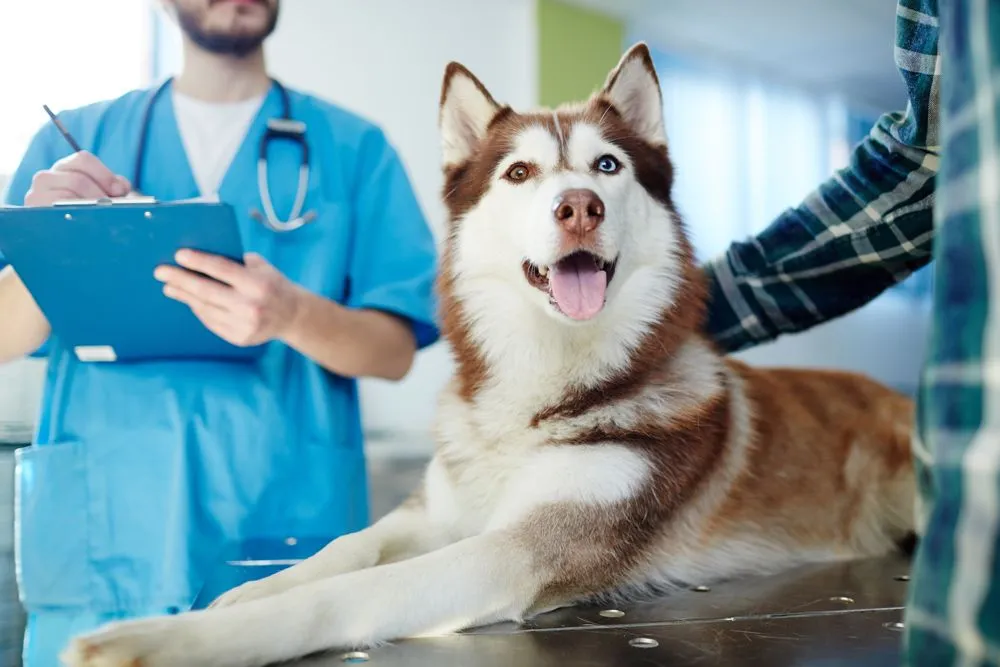
Early disease detection in pets often depends on one place. Your local animal hospital. You may notice small changes in your pet. A little weight loss. A strange cough. A new lump. Alone, these signs seem minor. Together, they can point to a serious disease. Animal hospitals give you quick access to tests, skilled staff, and clear answers. Routine exams catch quiet problems before they grow. Blood work, X-rays, and simple checks find disease while treatment is still working. This protects your pet from pain and long recoveries. It also protects your wallet from large bills. In many communities, including those seeking veterinary in Cloverdale, animal hospitals act as the first guard against hidden illness. They connect early warning signs to fast care. When you use them often, you give your pet a better chance at a longer, more comfortable life.
Why early detection matters for your pet
Most pet diseases grow in silence. Cancer, kidney disease, diabetes, and heart disease often start with no clear signs. By the time you see clear changes, damage inside the body is already present.
Early detection gives three strong benefits.
- More treatment choices
- Better comfort for your pet
- Lower long term costs for you
The American Veterinary Medical Association explains that routine exams help find disease at stages when treatment can still work well. You can read more in their guidance on regular care at AVMA preventive health care.
What animal hospitals check during routine visits
During a routine visit, staff do more than give shots. They look for quiet warning signs from nose to tail. Each part of the visit serves a clear purpose.
- History. You share changes in eating, drinking, weight, sleep, or behavior.
- Physical exam. The vet checks eyes, ears, mouth, heart, lungs, belly, skin, joints, and weight.
- Lab tests. Blood, urine, or stool tests can show early organ problems or infection.
- Imaging. X-rays or ultrasound can show tumors, heart changes, or joint damage.
These steps work together. A small shift in weight plus a change in blood work can uncover disease years before a crisis.
Common diseases caught early at animal hospitals
Animal hospitals often find the same groups of diseases during early checks.
- Dental disease. Gum infection can lead to tooth loss and heart or kidney damage.
- Kidney and liver disease. Blood tests show problems long before strong signs appear.
- Diabetes. Changes in thirst, weight, and blood sugar show up on simple tests.
- Heart disease. A new heart murmur or cough can appear on exam or X-ray.
- Cancer. Small lumps, blood changes, or weight loss can signal early cancer.
- Arthritis. Subtle stiffness or joint pain can be seen long before a pet stops walking.
The U.S. Food and Drug Administration notes that regular vet visits help catch chronic disease in more manageable stages. Learn more at the FDA pet health page at FDA pet health guidance.
How routine care compares to waiting for illness
You face a choice. You can bring your pet for regular checks, or you can wait until something seems very wrong. The table below shows a simple comparison.
|
Approach |
Typical timing |
What the vet often finds |
Common cost pattern |
Effect on your pet |
|---|---|---|---|---|
|
Routine animal hospital visits |
Once or twice per year |
Early disease, mild changes, small problems |
Smaller but repeated costs |
More comfort, fewer crises, longer stable life |
|
Waiting for clear illness |
Only during emergencies |
Advanced disease, organ failure, large tumors |
High sudden bills and urgent care |
More pain, longer recovery, higher risk of loss |
Routine care spreads cost over time. Emergency care often hits you with one sharp bill during a moment of fear.
Warning signs you should never ignore
You know your pet best. Still, some signs always need an animal hospital visit.
- Weight loss without a clear cause
- New lumps or bumps
- Coughing or trouble breathing
- Drinking or urinating more than usual
- Vomiting or diarrhea that lasts more than a day
- Sudden change in behavior or energy
- Bad breath, drooling, or trouble chewing
- Stiffness, limping, or trouble with stairs
These signs can seem small. Together, they can show hidden disease. Early checks turn fear into action.
What to expect during an early detection visit
You can prepare for each visit so your pet gets the most benefit.
- Write a short list of changes you have seen at home.
- Bring a record of past shots and medicines.
- Ask about needed blood work for the age of your pet.
- Plan questions about diet, weight, and activity.
During the visit, the vet will share results in clear terms. You should ask three key questions.
- What did you find today
- What might this mean for my pet in the next year
- What simple steps should I take now
Clear answers help you act with calm, not panic.
Building a long-term partnership with your animal hospital
Early disease detection works best when you keep a steady link with one animal hospital. Over time, staff learn your pet’s normal weight, behavior, and test results. They can spot small changes fast.
You can support this partnership in three ways.
- Schedule regular wellness exams for each pet.
- Follow through on lab tests the vet suggests.
- Call when you first notice a change, not months later.
Every visit adds to your pet’s health story. Each small step can prevent a crisis later.
Protecting your pet and your peace of mind
Animal hospitals are not only for broken bones or clear sickness. They are quiet watch posts that guard your pet’s health. Early disease detection saves lives, comfort, and money. When you choose regular visits, you choose fewer late-night emergencies and fewer painful choices.
Your pet depends on you to notice. Your animal hospital stands ready to confirm, explain, and act. Together, you can face disease early, while you still have many paths forward.
