
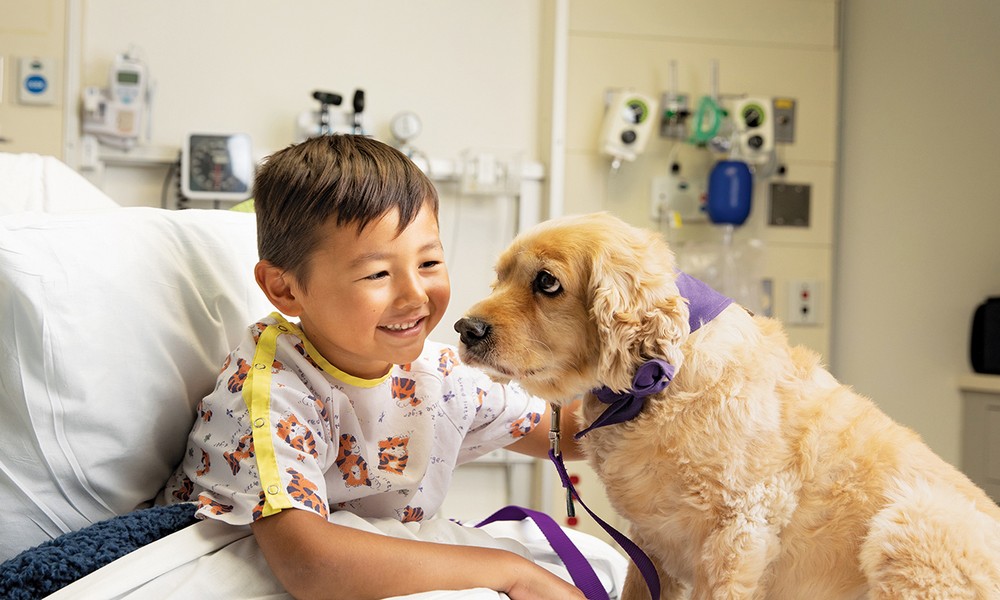
Chemotherapy shakes your sense of safety. Your pet hurts. You worry about every choice. In this storm, the animal hospital becomes a steady place. Staff watch for pain, nausea, and fear. They speak plainly and answer hard questions. They hold your pet with care during blood tests and infusions. They offer blankets, quiet rooms, and time. They guide you on what to expect after each visit. They also plan for sudden crises. An emergency vet in Columbia, MD stands ready when something feels wrong at night or on a weekend. This support lowers panic and confusion. It helps you focus on small steps. It also gives your pet the best chance to eat, rest, and feel safe during treatment. This blog shows how animal hospitals build comfort for both you and your pet during chemotherapy.
Creating a calm and safe space
You notice small details first. The waiting room stays quiet. The lights stay soft. The staff greet your pet by name. These simple moments tell you that your pet matters.
Hospitals focus on three things.
- They reduce noise so your pet does not startle.
- They give soft bedding so joints and skin stay safe.
- They keep dogs and cats separate when possible, so stress stays low.
Many hospitals use “fear-free” handling methods. You see slow movements. You hear low voices. You see staff move at your pet’s pace. This lowers heart rate and muscle tension. It also makes each visit smoother for you.
Managing pain and nausea with care
Cancer and chemotherapy can cause pain and sickness. You may fear that treatment will cause only misery. Hospitals work hard to prevent that outcome.
First, the team checks for signs of pain. They watch how your pet walks, breathes, and reacts to touch. They ask about sleep, appetite, and bathroom habits. Then they build a plan that may include medicines, special food, and rest routines.
For nausea, staff may give medicine before or after chemotherapy. They may send home pills or liquids. They also teach you how to spot early warning signs. That way, you can act before your pet refuses food or water.
You can read more on chemotherapy side effects in pets from the Colorado State University Flint Animal Cancer Center.
Supporting you as the caregiver
Chemotherapy strains the whole family. You may feel guilt, anger, or numbness. The hospital staff understands this weight.
They support you in three clear ways.
- They give clear written instructions for home care.
- They review costs and options in simple terms.
- They listen when you speak about fear and doubt.
Many hospitals offer follow-up calls after hard visits. Some share contact information for counselors or pet loss support groups. A few host support circles where you can talk with other families. You do not carry this burden alone.
Coordinating emergency backup and routine care
Chemotherapy does not keep a schedule. Trouble can start in the middle of the night. Hospitals plan for this.
During regular visits, staff teach you which signs need urgent help. These can include heavy breathing, sudden swelling, extreme tiredness, or blood in stool or vomit. They tell you exactly where to go and who to call if you see these signs.
Many clinics partner with 24-hour emergency centers. Some share records and treatment plans so care stays consistent. This link between your regular hospital and emergency care keeps your pet safer and gives you faster answers.
Comfort services that change the experience
Comfort comes from small, repeatable supports. Many animal hospitals offer extra services that soften each visit.
Common Comfort Services During Chemotherapy Visits
Clear plans for home care
Comfort does not stop when you leave the hospital. The real test comes at home. A strong home plan keeps your pet stable between visits.
Staff often give you written guides that cover three main topics.
- Feeding plans that include what to offer, how often, and when to call if your pet will not eat.
- Medicine schedules with clear times, doses, and what to do if you miss a dose.
- Activity limits so joints, heart, and immune system stay safe during treatment.
The National Cancer Institute offers caregiver tips that also apply to pet care. You can adapt many of these steps to your own routine and support network.
Planning for quality of life and hard choices
Chemotherapy raises hard questions about quality of life. A strong hospital team does not avoid these talks. They schedule time to review changes in comfort, joy, and daily function.
They may use simple scales that ask you to rate appetite, energy, and mood. They look at whether your pet still enjoys three key things. Food. Time with you. A favorite activity. When these fade, the team walks with you through options that align with your values and your pet’s comfort.
Standing with you through the whole journey
Animal hospitals cannot remove all pain or fear. They can stand with you. They can honor your bond with your pet. They can fight sickness while still guarding comfort, peace, and dignity.
You do not need to feel strong every day. You only need the next step. The right hospital helps you see that step, take it, and rest for a moment before the next one. That steady support is what carries you and your pet through chemotherapy, one visit at a time.
