
Surgery on your pet shakes your sense of safety. You wait. You watch every small change. You wonder what is normal and what is a warning sign. This is where strong postoperative support matters. An animal hospital in Lake Charles does more than complete a procedure. It guides you through the fragile days and nights that follow. You receive clear instructions, pain control plans, and help with feeding and wound care. You also get honest answers to hard questions and a direct phone line when fear rises. Staff teach you what to track. They show you when to act fast. They listen when you feel guilt or regret. This support protects your pet’s body. It also steadies your heart.
Clear instructions before you leave the hospital
Support starts before you walk out the door. You should leave with three things. A written plan. Supplies for the first day. A way to reach help fast.
- Written plan: Step-by-step directions for food, water, movement, and wound care.
- Medicine schedule: Exact times, doses, and how to give each drug.
- Emergency signs: Simple words that show you when to call or come back right away.
The plan should match trusted guidance from sources like the U.S. Food and Drug Administration pet surgery guide. You should not need to guess or search online when you get home. The paper or digital sheet should stand on its own.
Pain control that keeps your pet stable and safe
Pets often hide pain. You might only see small changes. A quiet pet. A fast breath. A tight face. Good hospitals teach you to spot these signs and respond.
- They explain each pain drug and its goal.
- They show you how to give pills or liquids without stress.
- They warn you about human drugs that harm pets.
Pain control is not only about comfort. It also protects healing. A pet in pain may stop eating, refuse to move, or lick the incision. That can slow recovery. That can raise the risk of infection.
Home care routines you can follow
Your home turns into a small recovery ward. You should not need special tools. You need a clear routine.
- Rest space: A quiet corner with a bed, water, and easy access.
- Movement rules: How far your pet can walk and when.
- Feeding steps: What to feed, how much, and how often.
- Hygiene: How to keep the incision clean and dry.
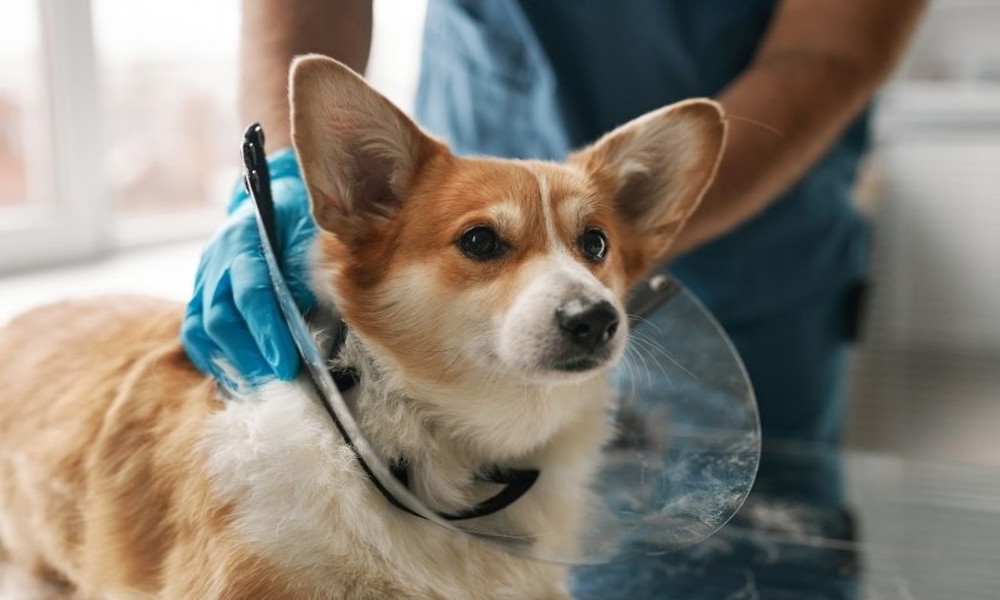
The hospital may give a cone or soft collar. They may give a harness for support. They should show you how to use each item. They should also explain how long you will need them.
What is normal and what is not
One main fear is not knowing what is normal. You stare at the incision and wonder if the redness is too strong. You worry about every change in appetite. Good staff walk you through clear signs.
Common Post Surgery Signs: Typical vs Concerning
The team should use clear words. They should avoid complex medical terms. You deserve a simple rule. If you are unsure, call.
Follow up visits and checks
Support does not end at discharge. Follow up visits help catch problems early. They also let you ask new questions as you see changes at home.
Follow-up
- Short term check: Often 3 to 5 days after surgery.
- Suture removal: Often 10 to 14 days after surgery.
- Long term review: For joint, heart, or cancer surgery when needed.
At each visit, staff will check long-term pain, movement, incision healing, and your comfort with the plan. They may adjust medicine or activity. They may also share trusted sources like the American Veterinary Medical Association pet surgery page, so you can read more at home.
Support for children and the whole family
Children often feel fear and guilt after a pet surgery. They may think they caused the pain. They may avoid the pet. The hospital can help you guide them.
- Staff can show children how to sit near the pet in a safe way.
- They can explain healing in simple words.
- They can answer questions about scars and long term care.
You can ask for tips on words to use at home. You can also ask how to include long-term small tasks like refilling water or reading the medicine chart. This gives them a sense of purpose instead of fear.
Emotional support when you feel worn down
Caring for a pet after surgery drains you. Sleep breaks. Work shifts. Money stress grows. A strong team sees your strain and speaks to it with respect.
- They remind you that worry is normal.
- They help you set a simple daily routine.
- They connect you with payment plans or support groups if offered.
You should feel heard when you share fear or regret. You should not feel judged. This kind of calm, firm support can keep you from delaying a needed visit because you are ashamed or scared.
When to seek urgent or emergency care
Some signs need fast action. Hospitals should give you a short list you can post on your fridge.
- Heavy bleeding from the incision.
- Sudden swelling of the face, tongue, or legs.
- Collapse, seizure, or loss of consciousness.
- Continuous vomiting or diarrhea.
- Extreme pain that does not ease with medicine.
You should also know which clinic handles after hours calls. You should have the number saved in your phone. Clear planning removes panic when minutes coafter-hoursh2>How you can prepare before surgery
You can shape better support by asking direct questions before the procedure.
- Who can I call with questions after hours.
- What signs mean I should come in right away?
- What supplies should I have at home on day one?
- When is the first follow up visit.
- How long will my pet likely need help with stairs or jumping.
Strongfollow-uprative care is a shared effort. The hospital brings skill, staff, and tools. Yo? bring time, love, and attention. Together you create a safer path through a hard moment. You protect your pet’s healing body. You also protect your family’s sense of safety and trust.
