
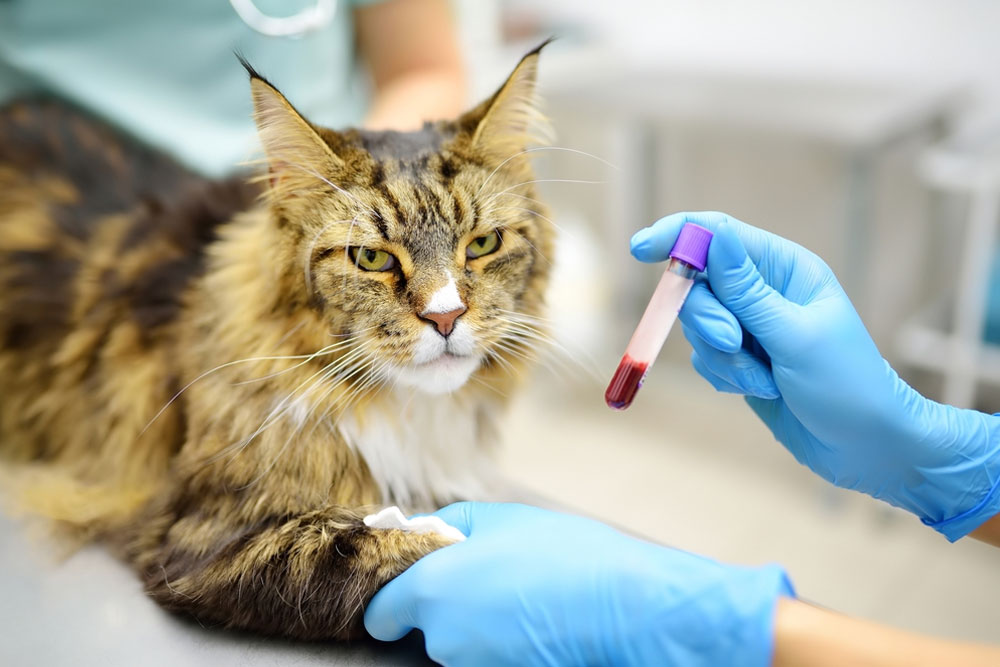
When your pet is sick or hurt, every minute feels heavy. You want clear answers and fast help. In house labs at veterinary hospitals give you that speed and clarity. Instead of sending samples to outside labs and waiting, your pet’s care team can run many tests right on site. You get results during the same visit. You get a treatment plan without long gaps or guesswork. This quick feedback can catch hidden problems early. It can also guide safe use of medicines and surgery. If you see a veterinarian in Gainesville, FL, in house lab testing can shorten your pet’s suffering and reduce repeat visits. It can also lower some costs by cutting extra trips and delays. In this blog, you will see three key advantages that in house labs bring to your pet’s care and to your own peace of mind.
1. Faster answers when every hour counts
Time matters when your pet is in pain. In house labs cut out shipping time and outside lab queues. You move from fear to a clear plan in one visit.
Common in house tests include:
- Blood counts to check infection, anemia, or clotting problems
- Chemistry panels to check kidneys, liver, blood sugar, and electrolytes
- Urine tests to check bladder infections, crystals, or kidney strain
- Fecal tests to check worms and other parasites
- Simple imaging support like microscope checks of cells and skin scrapings
The U.S. Food and Drug Administration explains that quick lab tests help guide safe treatment choices. You see that in real time when your veterinary team runs tests while you wait in the lobby.
Here is a simple look at average wait times.
Typical turnaround times for common pet lab tests
| Test type | In house lab result time | Outside lab result time |
|---|---|---|
| Basic blood count | 15 to 30 minutes | 24 to 48 hours |
| Chemistry panel | 30 to 60 minutes | 24 to 72 hours |
| Urinalysis | 30 to 60 minutes | 24 to 48 hours |
| Fecal parasite screen | 30 to 60 minutes | 24 to 72 hours |
These times are typical estimates. They show how in house testing lets your veterinarian act during the same visit instead of waiting through one or more nights of growing worry.
2. Better care plans that change with your pet
Your pet’s health can change by the hour. In house labs let your care team track those changes and adjust treatment fast. You are not stuck waiting for lab reports while your pet’s condition shifts.
Here are three ways that helps you and your pet.
- Emergency care. If your pet comes in after a car strike or sudden collapse, your veterinarian can run blood work at once. You get a fast read on blood loss, organ damage, or shock. Treatment can start in minutes.
- Chronic disease checks. Conditions like diabetes, kidney disease, or thyroid problems need regular checks. Quick lab feedback lets your veterinarian change medicine doses on the same day.
- Safe surgery. Pre surgery blood work on site checks that your pet can handle anesthesia. Post surgery tests can catch infection or bleeding early.
The Merck Veterinary Manual states that lab tests are key in planning and tracking treatment. When those tests happen in house, your veterinarian can match your pet’s care to real numbers instead of guesswork.
This close link between testing and treatment helps in three clear ways.
- You get fewer blind spots. Your veterinarian sees lab changes that might not show in behavior yet.
- You get quicker course changes. If a medicine stresses the kidneys or liver, in house tests can catch that and guide a switch.
- You get clearer talks. Your care team can walk you through results face to face. You can ask questions while the numbers are fresh.
3. Fewer visits, lower stress, and more control over costs
Every extra visit means more time off work, more car time for your pet, and more stress for your family. In house labs cut some of that burden. You often combine testing, diagnosis, and the start of treatment during one visit.
This can help your budget and your peace of mind.
- Fewer repeat visits. When tests and treatment happen on the same day, you avoid a follow up visit that only covers lab results.
- Less travel. Your pet does not need to come back for sample collection on another day. This helps anxious pets and large families.
- Smarter spending choices. With instant results, you can see what is urgent and what can wait. You can plan care in stages that match your budget.
Outside labs still play an important role. Some special tests need advanced tools that only large labs keep. Yet for many daily needs, in house labs give a strong mix of speed, accuracy, and cost control.
When you choose a veterinary hospital, you can ask three simple questions about lab services.
- Which tests do you run in house for dogs and cats
- When do you send tests to an outside lab instead
- How long do results usually take for both types
Clear answers help you set real expectations. You know when to wait at the clinic and when to plan for a follow up call. You also see how the hospital will support your pet during a crisis or long term illness.
Putting it all together for your pet’s next visit
In house labs are not fancy extras. They are practical tools that shorten fear, guide safer treatment, and cut some strain on your budget. You see three core advantages.
- Faster answers that support quick action when your pet is in trouble
- Better care plans that shift with your pet’s changing health
- Fewer visits and more control over time and costs
Before your next visit, you can write down your questions about lab tests. You can ask which tests your pet might need, how soon you will get results, and how those results might change the plan. You are not a bystander in this process. You are a partner in care. Clear lab access helps you stand in that role with more strength and less fear.
