
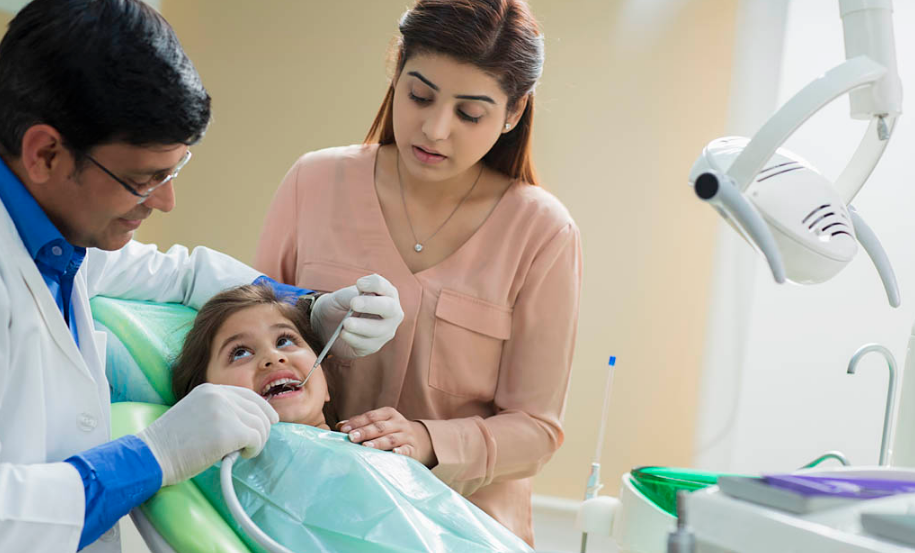
Watching your child’s dental journey unfold is crucial. Teeth tell tales of growth and development. From the first tooth to the first cleaning, these milestones mark significant steps in your child’s health. Understanding these early signs keeps your child’s smile on track. You need to know what to expect and when. Early awareness of dental milestones can prevent issues. Pay attention to baby teeth, as they set the stage for adult teeth. Keep an eye on the alignment and spacing of these first teeth. Proper spacing means healthy growth. In some cases, you may even consider options like Invisalign in Marysville for older kids to ensure straight teeth. Be proactive with dental appointments and cleanings to catch potential problems early. Regular check-ups provide peace of mind and a foundation for lifelong dental health. A healthy smile starts early. Your watchful eye makes all the difference.
1. Teething Starts
Teething usually begins around six months. You will notice signs like drooling and irritability. These signs indicate your child’s first teeth are pushing through the gums. Baby teeth tend to appear in a specific order. Typically, the lower front teeth, or central incisors, emerge first. Early teething requires care and comfort. You can soothe your child with a clean teething ring or a cool washcloth. Maintaining proper gum hygiene is essential. Wipe gums with a damp cloth even before teeth appear. This practice sets a healthy routine.
2. First Dental Visit
The first dental visit should happen by age one. Early visits build familiarity with the dentist. The dentist checks for any early signs of problems. This visit is more than a check-up. It provides guidance on feeding, oral hygiene, and fluoride needs. Prepare your child by explaining what to expect during the visit.
3. First Tooth Loss
Children typically lose their first tooth around age six. This milestone signals the transition from baby teeth to permanent teeth. The lower front teeth are usually the first to go. Losing teeth can be both exciting and alarming for children. Reassure your child that this is normal. It is important for the new teeth to come in properly. If teeth are lost too early due to decay, permanent teeth may shift. This can lead to orthodontic problems. Regular dental check-ups ensure everything stays on track.
4. Permanent Teeth Eruption
Permanent teeth begin to appear between ages six and twelve. This phase is called the mixed dentition phase. Your child will have both baby and permanent teeth. Encourage good brushing habits. Use fluoride toothpaste to prevent decay. Alignment and spacing should be monitored. Consider orthodontics if needed. Invisalign in Marysville offers solutions for straightening teeth discreetly.
5. Establishing Oral Hygiene Habits
By age three, start teaching your child to brush with supervision. Proper brushing habits should be established by this time. Use a small, soft-bristled toothbrush. Show your child how to brush in small, circular motions. Flossing should begin once two teeth touch. Encourage regular brushing twice a day. This habit is critical to preventing cavities and gum disease. A consistent routine builds lifelong habits.
| Milestone | Age | Notes |
|---|---|---|
| Teething Starts | 6 months | Use teething rings and maintain gum hygiene |
| First Dental Visit | 1 year | Establishes a dental routine |
| First Tooth Loss | 6 years | Monitor for proper alignment of new teeth |
| Permanent Teeth Eruption | 6-12 years | Mixed dentition phase |
| Oral Hygiene Habits | 3 years and up | Introduce brushing and flossing routines |
Each dental milestone lays the groundwork for a healthy smile. Your active role and guidance make these transitions smoother. By staying informed and proactive, you provide your child with the best start for oral health. These early experiences shape their future dental care habits. A commitment to regular dental visits and proper hygiene ensures a lifetime of healthy teeth.
