
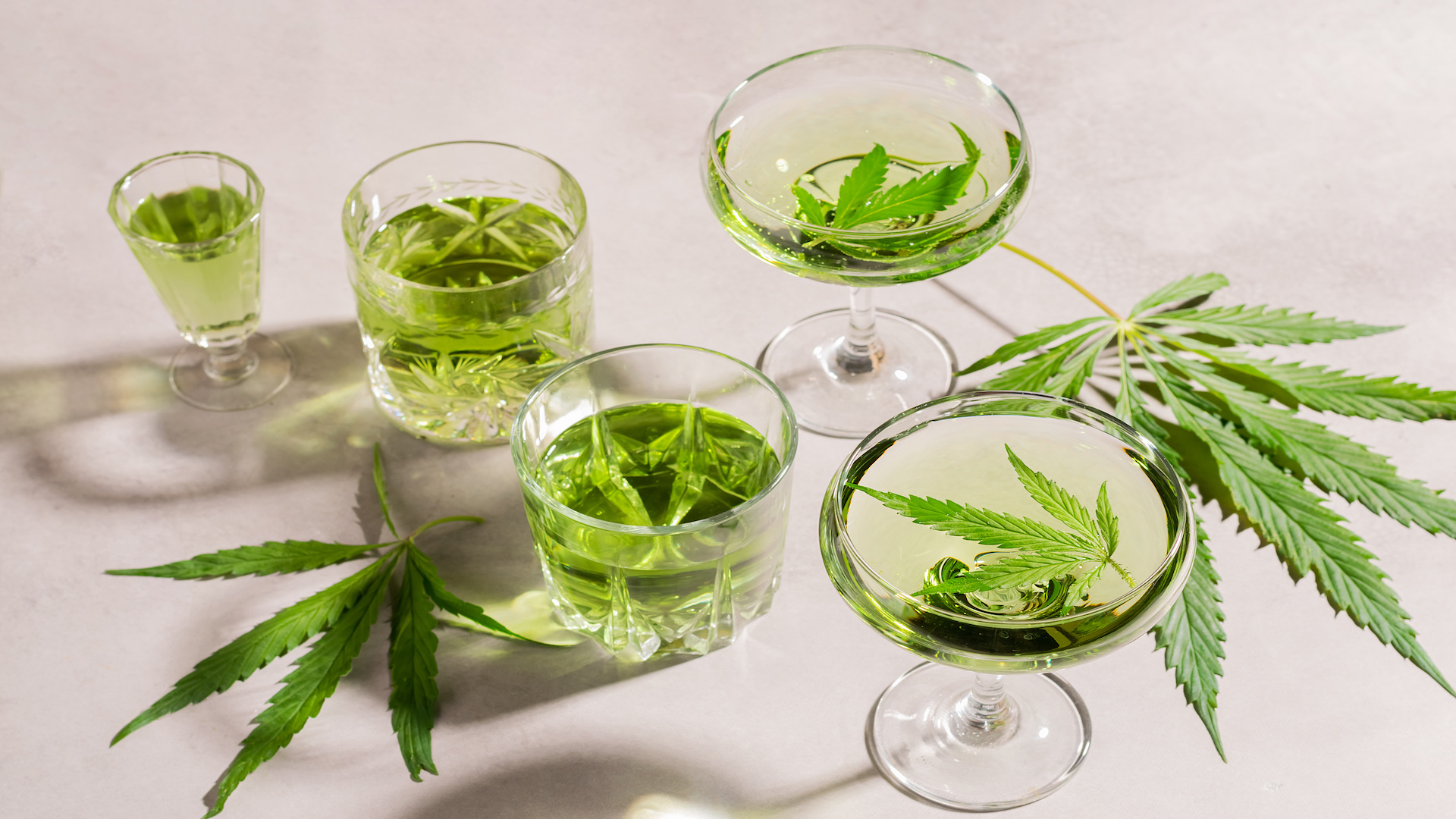
Cannabis consumption timing varies dramatically depending on the delivery method chosen, with each approach offering distinct onset characteristics and duration profiles. THC drinks typically require longer activation periods than inhalation methods, but often provide more predictable timing than traditional solid edibles. Consumers can avoid common dosing mistakes when they know these timing differences.
Drinking onset timeline
THC drinks generally produce noticeable effects within thirty minutes to two hours after consumption, depending on various individual and environmental factors. The liquid form allows for faster stomach processing than solid edibles, but still requires complete digestive breakdown before absorption occurs. Empty stomach consumption typically accelerates the onset timing, while recent meals delay effects by several hours. Carbonated THC drinks may absorb slightly faster due to increased stomach activity, while thicker beverages like smoothies or milk-based drinks may take longer to process. The gradual onset pattern of thc drinks creates a smooth transition into effects rather than the sudden activation seen with smoking, helping users gauge their tolerance and avoid overconsumption during the waiting period.
Smoking vs Drinking
Smoking or vaping cannabis produces almost immediate effects, with peak intensity occurring within minutes of inhalation. This rapid onset allows users to control their experience by taking additional puffs as needed, creating a more manageable dosing approach for experienced consumers. Inhalation methods deliver THC directly to your bloodstream through lung tissue, bypassing digestive processing entirely. The effects typically peak quickly and diminish within a few hours, creating a shorter overall experience compared to drinkable cannabis. THC drinks require patience since effects build gradually over extended periods rather than providing instant feedback, which can lead inexperienced users to consume additional doses before the initial serving takes effect.
Edible comparison factors
Traditional solid edibles like cookies, gummies, or chocolates typically take longer to activate than THC drinks due to additional breakdown requirements. Dense foods require more extensive stomach processing before THC becomes available for absorption. Liquid cannabis generally activates faster than solid edibles because:
- Beverages require less mechanical breakdown in your stomach
- Liquid forms mix more readily with digestive enzymes
- THC molecules may be more bioavailable in liquid suspension
- Stomach emptying occurs faster with liquids than with solid foods
- Less chewing and initial processing are required before swallowing
THC drinks and solid edibles must complete the same liver metabolism process, creating similar peak effect timing despite different onset speeds. The difference lies primarily in how quickly the THC reaches your small intestine for absorption.
Individual variation elements
Personal factors create substantial differences in THC drink onset timing between different consumers. Body weight, metabolism rate, recent food consumption, and individual digestive health all influence how quickly effects begin. People with faster metabolisms typically experience quicker onset, while those with slower digestive systems may wait longer for activation. Recent cannabis tolerance levels also affect perceived onset timing; as regular users may not notice subtle initial effects that would be obvious to occasional consumers. Hydration status can influence absorption rates, while certain medications or health conditions may alter normal digestive processing speeds that affect THC drink timing.
Sublingual absorption
Some THC drinks allow for partial sublingual absorption when held in your mouth before swallowing, creating a faster onset than traditional digestive processing. The tissue under your tongue contains blood vessels that can absorb THC directly into your bloodstream, bypassing initial digestive steps. Tinctures and sublingual sprays designed for mouth absorption typically activate within minutes rather than hours, offering timing similar to smoking methods. Most commercial THC drinks are formulated for swallowing rather than sublingual use, limiting this faster absorption pathway for typical beverage consumption.
